
An analysis of ERASED‘s first three episode and the incorporation of cinematography into the functioning of the show.
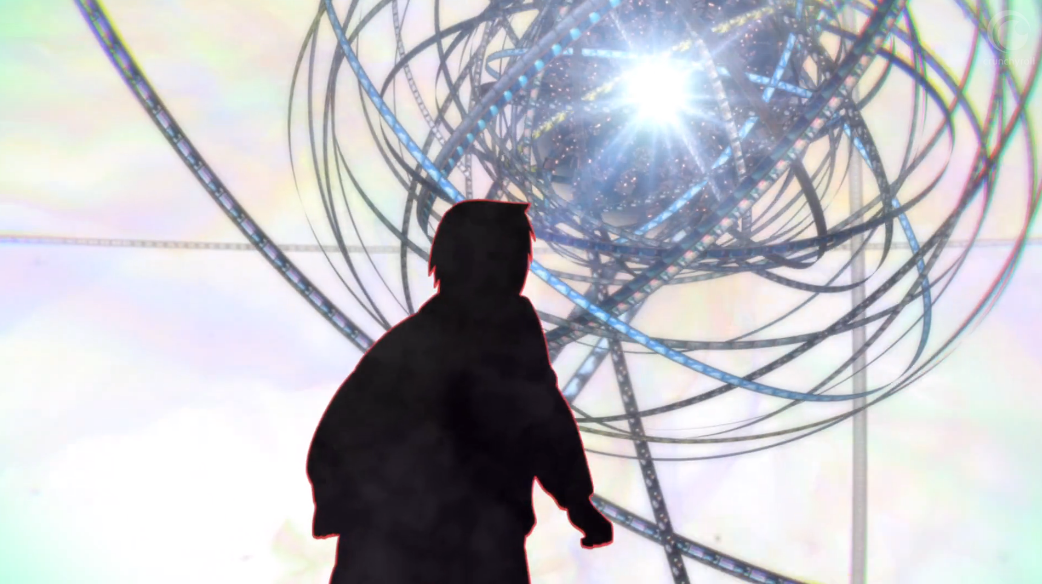
An analysis of ERASED‘s first three episode and the incorporation of cinematography into the functioning of the show.
I’ve kind of been waiting for One Punch Man to put some thematic muscle behind its animation chops, and this episode did it (albeit via the graceless inclusion of the random whiny dude). So, of course, I gave the show its due and spent a little bit of time breaking down how One Punch Man‘s commentary works at illuminating the nature of heroism. I suppose I should point out—and I didn’t really touch on this in the original article—that the Hero Associations brand of heroism isn’t wrong per se. It’s functional and practical. It emphasizes results, and directs heroes for the benefit of society the best it can (the point raised this episode that the Association is funded by donations from the public is extremely interesting). But this post is about heroes! Enjoy!

I’m sure you’re all familiar with the closing lines of the oft-quoted, oft-anthologized, oft-ridiculed poem by Robert Frost:
Two roads diverged in a wood, and I— | I took the one less traveled by, | And that has made all the difference.
GATE, much like writers who choose to use “The Road Not Taken” as openings to their columns, takes the more-traveled road as a matter of course—yet, in doing so, it makes way for the discovery of a few rare mushrooms along the path and one big one with a bad smell that covers the whole forest. Now, I don’t mean to be coy here; I enjoyed GATE a whole heckuva lot. It’s a fascinating blend of things I found engaging and off-putting, likable and awful. At the end of the day, though, I’ll always give three cheers for a show that manages to succeed in spite of a fundamentally misguided base premise. There’s something awfully human about a show like that—even if you might not want to emulate it.
We all watch anime for different reasons. Some of us want a time sink, some of us want entertainment, some of us want an artistic experience, some of us want a combination of things from our anime, even differing our expectations by show. And when we’ve seen a show we love, for whatever reason, we usually want to tell people about that show. It is one of the great pleasures of encountering any form of media: finding something you like and sharing it with others.
Yet, many of us (myself included) struggle to articulate what it is about a show that drew us in, and struggle to defend our favorite shows from the negative criticism of others. And on the other side, many of us fail to effectively communicate our problems with a particular show.
For only four episodes, there was a lot packed in there. As the backstory (but not the backstory backstory) of the Monogatari series, I have to look at Nekomonogatari: Kuro and applaud SHAFT for choosing to adapt this after Bakemonogatari and Nisemonogatari. It was an excellent choice, because the third installment of this adaptation of Nisio Isin’s novels feels richer after and greatly benefits from having the two stories set in front of it.
Because it was only four episodes long, I basically want consider Nekomonogatari: Kuro an OVA series, despite the fact that it is absolutely necessary to the overall story of the series, and despite the fact that it might almost be easier to frame it as an extension of Nisemonogatari. But nothing about this franchise is ordinary, and so, in the end, I’m not really quite sure how to classify it. Does it matter? Not so much. Neko Kuro, despite the fact that I don’t know if I actually want to rate it in my normal system, essentially winds up as a 6/10 for me on its own merits (but scores higher as a part of the enter series). It is so dependent on what has come before (and also on what is to come), that it’s tough to assess it on its own. And yet here I am.



 Mage in a Barrel